
Joint and Muscle pain
Individualized management to ease pain and restore function in Achrafieh, Beirut
Understanding joint and muscle pain
Joint pain, also known as arthritis or arthralgia, can affect any part of the body where two or more bones meet, including the wrists, elbows, shoulders, hips, knees, and ankles. Symptoms often include stiffness, swelling, or a sore sensation that worsens with movement, making even simple daily activities difficult.
Causes and diagnosis
The causes of joint pain are diverse: natural aging, sports injuries or trauma, muscle weakness, poor posture, autoimmune conditions such as rheumatoid arthritis, and even certain systemic illnesses. Because the origin of pain can vary greatly, receiving an accurate diagnosis is essential. Rheumatology specialists play a key role in identifying the underlying cause and guiding proper treatment.
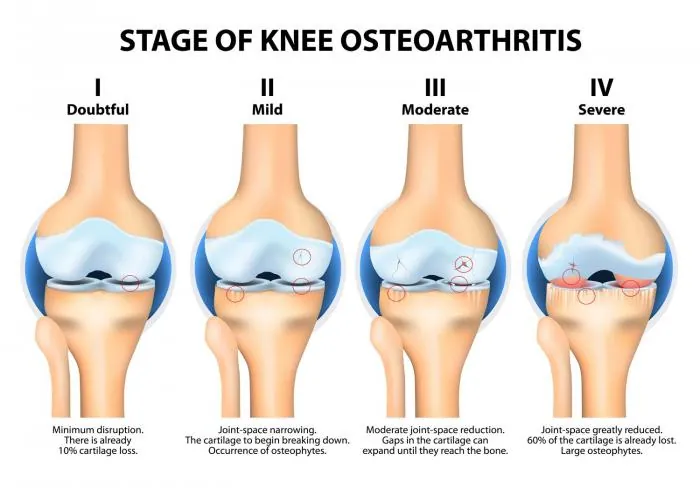
Osteoarthritis and inflammatory arthritis: what is the difference?
Osteoarthritis develops when the cartilage that cushions a joint gradually changes after years of load. Pain typically builds with activity and eases with rest, and morning stiffness usually fades within half an hour. Inflammatory arthritis, such as rheumatoid arthritis, behaves differently: the immune system attacks the lining of the joints, producing warmth, swelling, and prolonged morning stiffness, often in several joints at once. The distinction matters, because inflammatory arthritis needs early medical treatment to protect the joints. Whenever the pattern raises suspicion, we coordinate referral to partner rheumatologists while continuing your rehabilitation.
Tendinopathy: why rest alone rarely fixes tendon pain
Tendon pain, once called tendinitis and now known as tendinopathy, is rarely a true inflammation. It appears when a tendon is loaded faster than it can adapt, for example after a sudden increase in training, a new sport, or an unusual repetitive task. In its early reactive phase the tendon can recover fully once the load is adjusted. If overload continues, the tissue becomes disorganized and gradually weaker. This is why complete rest usually disappoints: it calms symptoms for a while but does nothing to rebuild the tendon's capacity. Progressive, structured loading exercises are the cornerstone of recovery, supported by manual therapy and a review of posture, technique, and equipment.
Myofascial pain and trigger points
Muscle pain is not always felt where the problem sits. Myofascial pain arises from trigger points, small hypersensitive knots within a tight band of muscle, which can refer pain to another area: a shoulder trigger point may be felt as arm pain or headache. Long static postures, repetitive movements, stress, and poor sleep all encourage trigger points. Treatment combines hands-on release techniques, targeted stretching and strengthening, and simple habit changes such as interrupting long periods of sitting.
Joint hypermobility
Some people have joints that naturally move beyond the usual range. Hypermobility on its own is not a disease, and many hypermobile people never develop pain. When symptoms appear, they often come from muscles working overtime to stabilize lax joints, combined with reduced joint position sense. The instinct to stretch is usually counterproductive here, since the problem is too much movement rather than too little. What hypermobile joints need is control: strengthening, core stability, and balance retraining under professional guidance.
Our approach at Active Health Clinic
At Active Health Clinic Beirut, we offer comprehensive pain management and rehabilitation programs that take into account both the physical and emotional impact of joint pain.
Our team, including physiotherapists, osteopaths, psychiatrists, and nutrition experts, works together to reduce pain, restore mobility, and prevent further joint damage. When advanced medical care such as rheumatology consultation is required, we collaborate with trusted partner specialists to ensure our patients receive the most complete and effective treatment possible.
Keeping joints moving: why movement is medicine
For most persistent joint and muscle pain, movement is medicine. Prolonged rest lets muscles weaken and joints stiffen, which tends to make pain worse over time. Regular, gradually increased activity keeps cartilage nourished, tendons resilient, and muscles strong enough to protect the joints they cross.
At the clinic, this translates into an individualized plan rather than a generic exercise sheet. Our physiotherapy and rehabilitation team designs graded exercise adapted to your condition and starting level, our osteopathy consultations use manual techniques to restore comfortable mobility, and personal physical training, built on adapted physical activity principles, helps you build lasting strength once symptoms settle. Pacing is central to all of it: we help you find a level of activity you can repeat consistently, then progress it step by step instead of alternating between overdoing and complete rest.
When to seek specialist assessment
Most joint and muscle pain improves with conservative care, but some situations deserve prompt medical evaluation. Seek assessment if a joint is hot, red, and swollen, if pain follows a significant injury, if morning stiffness lasts more than an hour and involves several joints, if joint pain comes with fever or unexplained weight loss, or if pain wakes you at night and does not change with position. During your first consultation we screen for these warning signs, and when the picture suggests an inflammatory or systemic condition we arrange referral to trusted partner specialists while continuing to support your recovery.
Frequently asked questions
What causes joint and muscle pain?
The causes are diverse: natural aging, sports injuries or trauma, muscle weakness, poor posture, autoimmune conditions such as rheumatoid arthritis, and even certain systemic illnesses.
Why is an accurate diagnosis important?
Because the origin of joint pain can vary greatly, an accurate diagnosis is essential to guide proper treatment. When rheumatology consultation is required, we collaborate with trusted partner specialists.
How does Active Health Clinic manage joint pain?
Our team of physiotherapists, osteopaths, psychiatrists, and nutrition experts works together through comprehensive pain management and rehabilitation programs that address both the physical and emotional impact of joint pain.
Why is rest alone not enough for tendon pain?
Rest can calm a painful tendon in the short term, but it does not rebuild the tendon's capacity to handle load. Progressive, structured loading exercises, guided by a professional, help the tendon strengthen and reduce the risk of the pain returning.
Is it safe to exercise with joint pain or arthritis?
For most people, yes. Appropriate, graded activity keeps muscles strong and joints mobile, and usually reduces pain over time. The key is an individualized program that starts at the right level and progresses gradually, which is what our physiotherapy team designs.
What are trigger points?
Trigger points are small hypersensitive knots in a tight band of muscle. They can cause local pain or refer pain to another area, such as an arm or the head. They respond well to manual therapy, stretching and strengthening, and changes to posture and daily habits.
Where is Active Health Clinic located and how can I book an appointment?
The clinic is on Independence Street, Malia Building, 4th Floor, Achrafieh, Beirut. You can book by phone, WhatsApp, or through the contact form on our website. We are open Monday to Friday, 9 am to 7 pm, and Saturday, 9 am to 12 pm.