
Back and Neck Pain
Multidisciplinary, evidence-based treatment in Achrafieh, Beirut
Back and neck pain are among the most common reasons patients visit Active Health Clinic. Our team treats both with osteopathy, physiotherapy, and structured rehabilitation in Achrafieh, Beirut.
Neck Pain: Causes, Symptoms, and Treatment
Neck pain is a common musculoskeletal complaint that can range from mild stiffness to severe discomfort, often limiting range of motion and daily activities. It may present as localized pain, muscular tightness, headaches, or radiating symptoms affecting the shoulders and arms.
Several factors contribute to neck pain:
- Degenerative changes: With aging, the cervical spine is subject to natural wear and tear, including disc degeneration, osteoarthritis, and reduced joint mobility.
- Postural strain: Prolonged poor posture, especially during computer or mobile device use, increases mechanical stress on cervical muscles and ligaments.
- Muscle strain: Sleeping in awkward positions or sudden movements may cause acute muscle tension or strain.
- Traumatic injuries: Whiplash or sports-related trauma can damage soft tissues, joints, or discs, sometimes leading to chronic instability.
- Nerve compression: Conditions such as herniated discs or cervical spondylosis can irritate or compress nerve roots, causing pain radiating into the arms, tingling, or weakness.
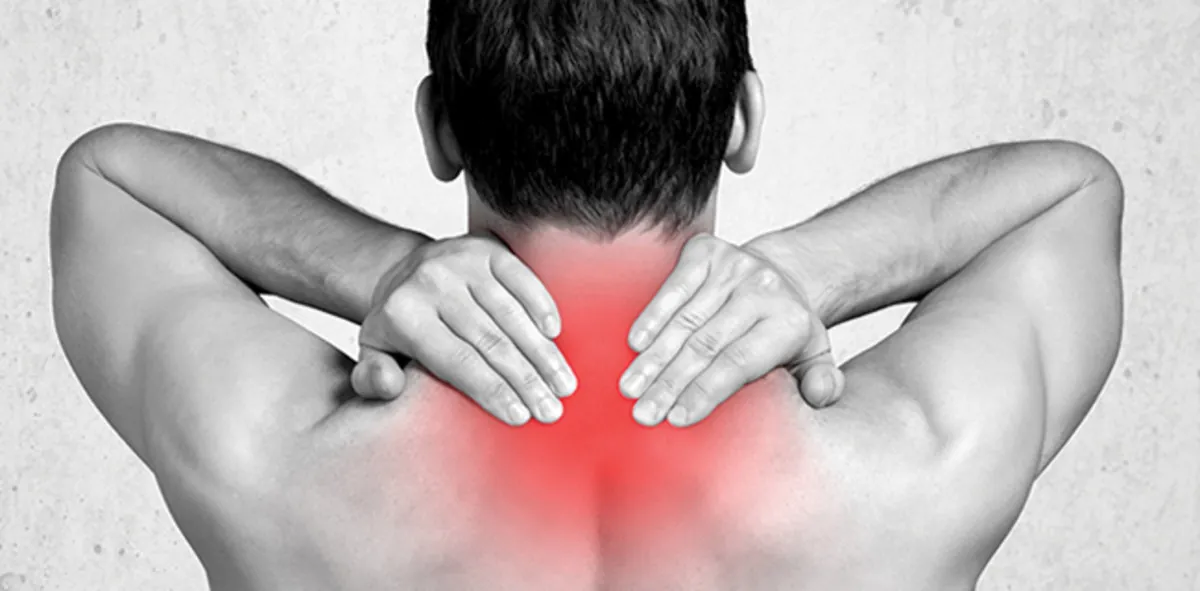
At Active Health Clinic, our specialists use a multidisciplinary approach to assess and manage neck pain. Evidence-based treatment options include osteopathy, physiotherapy, targeted rehabilitation exercises, posture correction strategies, and patient education. The goal is to reduce pain, restore mobility, and prevent recurrence while addressing the underlying mechanical and functional contributors.
Whiplash and post-traumatic neck pain
Whiplash is a rapid back-and-forth movement of the head, most often after a car accident, a sports collision, or a fall. The sudden acceleration and deceleration can strain the muscles, ligaments, discs, and small joints of the cervical spine. Symptoms do not always appear immediately: neck pain and stiffness, headaches, dizziness, and difficulty concentrating can develop in the hours or days that follow.
Early management makes a real difference. When post-traumatic neck pain is not addressed, a proportion of patients go on to develop persistent symptoms, and the nervous system itself can become more sensitive to pain. Once a physician has ruled out a serious injury, we recommend an assessment within the first days after the accident.
Care at Active Health Clinic favors an active approach over prolonged rest or a soft collar: gentle manual treatment with our osteopath, reassurance and education about the usually favorable course, and a supervised mobility and strengthening program guided by our physiotherapists.
Low Back Pain: Causes, Symptoms, and Treatment
Low back pain (LBP) is one of the most frequent musculoskeletal complaints and a leading cause of disability worldwide. It can present as localized stiffness, deep aching pain, or sharp discomfort radiating into the hips and legs. Depending on the underlying condition, symptoms may be acute, recurrent, or chronic.
Common causes and contributing factors include:
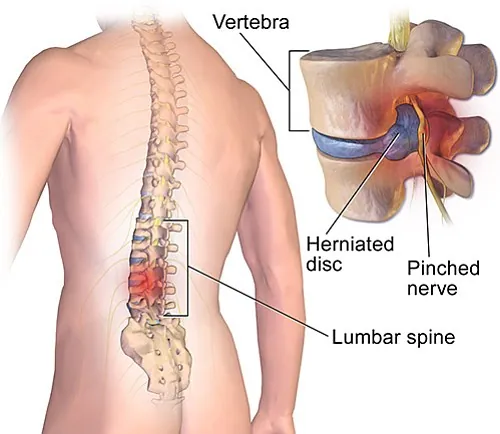
- Degenerative changes: Age-related disc degeneration, facet joint osteoarthritis, and spinal stenosis can alter mobility and cause persistent pain.
- Mechanical and postural stress: Prolonged sitting, poor ergonomics, and repetitive physical strain increase the load on spinal structures.
- Disc pathology: Herniated or bulging intervertebral discs can compress nerve roots, producing sciatica, tingling, or muscle weakness in the lower limbs.
- Structural or functional conditions: Scoliosis, sacroiliac dysfunction, or pelvic asymmetry may contribute to recurrent low back pain.
At Active Health Clinic, our specialists adopt a multidisciplinary, evidence-based approach to managing low back pain. Treatment options include osteopathy, physiotherapy, rehabilitation exercises, postural re-education, and patient-specific exercise therapy. The aim is to relieve pain, restore spinal function, and improve long-term mobility while reducing the risk of recurrence.
When back pain radiates: what is sciatica?
Sciatica describes pain that travels from the lower back or the buttock down the leg, following the path of the sciatic nerve. It often comes with tingling, numbness, or a burning sensation, and it can make sitting, walking, or bending forward difficult. The most frequent cause is irritation of a lumbar nerve root, for example by a herniated or bulging disc. Not every leg pain is a true sciatica, however: deep gluteal syndrome and pain referred from the joints of the lumbar spine or pelvis can produce very similar symptoms, which is why a careful clinical assessment matters before treatment starts.
Most episodes of sciatica improve with conservative care, and international guidelines discourage prolonged bed rest: staying gently active is one of the most important parts of recovery. At Active Health Clinic, treatment typically combines osteopathy to ease joint and muscle restrictions, physiotherapy with progressive stretching and strengthening, and education so you understand what is happening and can return to your activities with confidence.
Seek urgent medical attention if leg pain comes with difficulty passing urine or controlling the bowels, numbness in the saddle area, rapidly progressing weakness in the leg, fever, or follows a significant injury.
Chronic back pain? Follow our 12-week program
For pain persisting beyond 3 months, Active Health Clinic offers a structured 12-week multidisciplinary program combining pain management consultation, 24 physiotherapy sessions, 6 osteopathy sessions, and 6 cognitive behavioural therapy sessions, with pain neuroscience education throughout.
Back Pain Management Program
How do we prevent back and neck pain from coming back?
Relieving an acute episode is only half the work. Back and neck pain tends to return when the factors that produced it are left unchanged: deconditioned muscles, long static postures, a poorly set up workstation, stress, and an inactive lifestyle. This is why our care plans include a prevention phase built around four elements:
- Active rehabilitation: our physiotherapists build a progressive exercise program that restores strength and endurance in the deep spinal and neck muscles, rather than relying on passive treatment alone.
- Posture re-education and ergonomics: practical adjustments to your desk, screen height, and daily habits reduce the repeated mechanical load that feeds recurring pain.
- Strength and conditioning: once pain settles, personal physical training helps you keep the gains and build a more resilient spine.
- Mind and body: stress, anxiety, and low mood can amplify pain and promote chronicity, so psychotherapy is integrated into the plan when it is relevant.
For pain that has already lasted more than 3 months, our chronic pain management service and the structured 12-week Back Pain Management Program bring all of these elements together in one coordinated plan.
Frequently asked questions
How do I know if my leg pain is sciatica?
Sciatica typically travels from the lower back or buttock down the leg along the path of the sciatic nerve, often with tingling, numbness, or burning. Similar symptoms can also come from deep gluteal syndrome or from pain referred by the joints of the lumbar spine or pelvis, so a clinical assessment is needed to confirm the source before treatment starts.
When should I seek urgent medical care for back or neck pain?
Seek urgent attention if the pain comes with difficulty passing urine or controlling the bowels, numbness in the saddle area, progressive weakness in a limb, fever, unexplained weight loss, or follows a significant accident or injury.
Can back and neck pain be prevented from returning?
The risk of recurrence can be reduced by combining active rehabilitation, posture re-education and ergonomic adjustments, and progressive strengthening. At Active Health Clinic this prevention phase is built into every care plan, and the 12-week Back Pain Management Program offers a structured option for chronic back pain.