
Sports Injury Management at Active Health Clinic
Recover faster and prevent recurrence with our osteopaths and physiotherapists
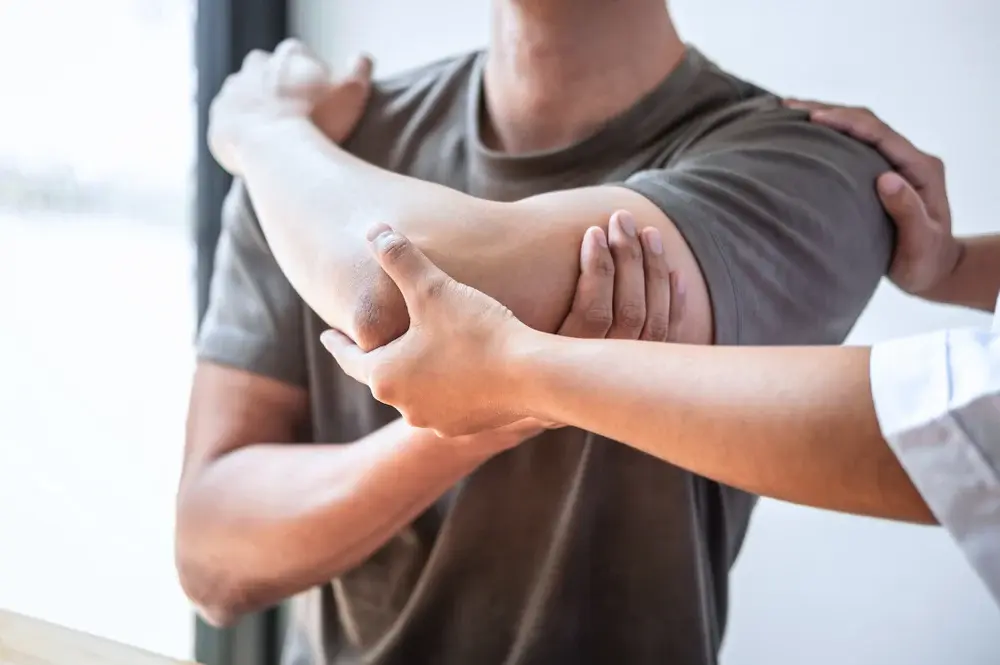
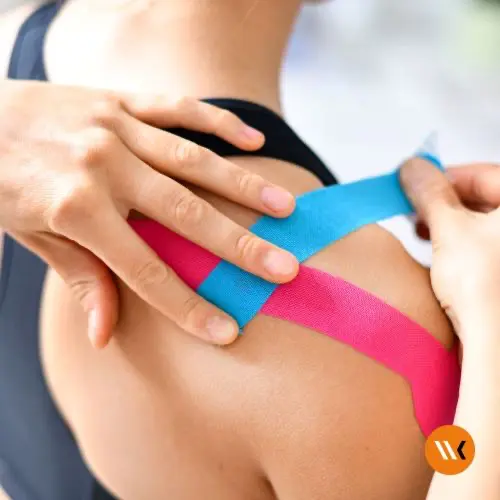
At Active Health Clinic Beirut, our osteopaths and physiotherapists specialize in the treatment of sports injuries such as sprains, strains, tendinitis, and bursitis, helping athletes recover faster and prevent recurrence.
Sports injuries are among the most common reasons athletes and active individuals seek medical care. They typically result from acute trauma (a sudden movement, fall, or impact) or from repetitive stress on the joints and muscles during training. In fact, more than 90% of sports injuries involve soft tissue damage affecting the muscles, ligaments, or tendons.
Common sports injuries
The most frequent injury is the bruise (contusion), but sprains and strains are also extremely common:
- Sprains involve a partial or complete tear of a ligament, the tissue that connects bones and stabilizes joints.
- Strains occur when there is damage to a muscle or its tendon, the structure that attaches muscle to bone and enables movement.
In addition, athletes often experience tendinitis (inflammation of a tendon) or bursitis (inflammation of the fluid-filled sacs that cushion tendons around joints). These usually develop due to repetitive micro-trauma and overuse. Left untreated, they can lead to persistent pain and reduced performance.
Our approach to sports injury care
At Active Health Clinic Beirut, our multidisciplinary team, including osteopaths, physiotherapists, psychiatrists, and nutrition experts, provides comprehensive care for sports injuries. We focus on:
- Accurate diagnosis of the injured structure
- Personalized rehabilitation programs to restore mobility and strength
- Pain management strategies to reduce inflammation and discomfort
- Injury prevention guidance to avoid recurrence and improve performance
For athletes rebuilding strength and conditioning after rehabilitation, our sports coach and performance specialist Marc Berbary MSc designs personalized training programs.
Programs are designed for professional athletes, weekend runners, and anyone who enjoys staying active, our team will guide your recovery safely at every step.
Common overuse injuries: what is tendinopathy?
The word "tendinitis" suggests an inflamed tendon, but research has shown that the real problem in most long-standing tendon pain is a change in the structure of the tendon itself, produced by more load than the tissue was prepared for. Clinicians therefore now prefer the term tendinopathy. In athletes, the Achilles, patellar, shoulder, and elbow tendons are the sites we see most often.
This also explains why rest alone rarely solves the problem: pain settles while you stop, but the tendon stays weak, and symptoms return as soon as training resumes. Effective care is built on load management, which means temporarily adjusting training volume and intensity rather than stopping everything, followed by progressive strengthening exercises that rebuild the tendon's capacity step by step.
Runners frequently present with two other overuse conditions. Runner's knee (patellofemoral pain) causes pain at the front of the knee that worsens with stairs, running, and prolonged sitting, and usually reflects poor load sharing between the kneecap and the thigh; strengthening the quadriceps and hips is the mainstay of care. Iliotibial band syndrome causes pain on the outside of the knee in runners and cyclists and responds to hip and core strengthening together with adjustments to training.
Return to sport: how do we progress safely?
Coming back too fast is one of the main reasons injuries recur. Our team follows a structured progression based on how your body responds, not just on the calendar:
- Assessment: we identify the injured structure and the factors that contributed to it, such as training errors, muscle imbalances, or mobility restrictions elsewhere in the kinetic chain.
- Pain and mobility: osteopathy and manual therapy restore joint mobility and ease muscle tension so that active rehabilitation can begin early.
- Progressive loading: our physiotherapists gradually increase the demand on the healing tissue, from gentle isometric work to heavier strengthening, staying within tolerable limits.
- Movement retraining and strength: sport-specific drills correct the patterns that led to the injury, and personal physical training with Marc Berbary rebuilds the strength and conditioning you need before a full return to competition.
Prevention: warm-up, load, and recovery
A good warm-up is 10 to 15 minutes of progressive, dynamic exercise specific to your sport. It raises muscle temperature, improves circulation and coordination, and prepares the joints for effort. Dynamic stretching, controlled movements through range, fits well within a warm-up.
Long static stretches, on the other hand, are best kept for after training or for separate flexibility sessions: holding stretches before intense effort can temporarily reduce muscular power, and the evidence does not support them as a way to prevent injury in the short term.
Finally, most overuse injuries develop when training load rises faster than the body can adapt. Increase distance, weight, or intensity gradually, respect recovery days and sleep, and have small niggles assessed early instead of pushing through them.
Frequently asked questions
What sports injuries does Active Health Clinic treat?
Our osteopaths and physiotherapists treat sprains, strains, tendinitis, bursitis, and contusions (bruises), whether they result from acute trauma or from repetitive stress during training.
What is the difference between a sprain and a strain?
A sprain involves a partial or complete tear of a ligament, the tissue that connects bones and stabilizes joints. A strain is damage to a muscle or its tendon, the structure that attaches muscle to bone and enables movement.
What does sports injury care at the clinic include?
Care focuses on accurate diagnosis of the injured structure, personalized rehabilitation programs to restore mobility and strength, pain management strategies to reduce inflammation and discomfort, and injury prevention guidance to avoid recurrence and improve performance.
Do I need to be a professional athlete to be treated?
No. We care for professional athletes, weekend runners, and anyone who enjoys staying active, with programs adapted to each person's level and goals.
Is rest alone enough to treat tendinopathy?
Usually not. Pain often settles while you stop, but the tendon stays weak and symptoms tend to return when training resumes. Effective care combines load management, adjusting training volume and intensity rather than stopping everything, with progressive strengthening exercises that rebuild the tendon's capacity.
Should I stretch before or after sport?
Use dynamic movements within a 10 to 15 minute progressive warm-up before sport, and keep long static stretches for after training or for separate flexibility sessions. Holding stretches before intense effort can temporarily reduce muscular power, and the evidence does not support them as a way to prevent injury in the short term.