
Obesity and overweight Management
Personalized nutrition, exercise, and lifestyle programs in Achrafieh, Beirut
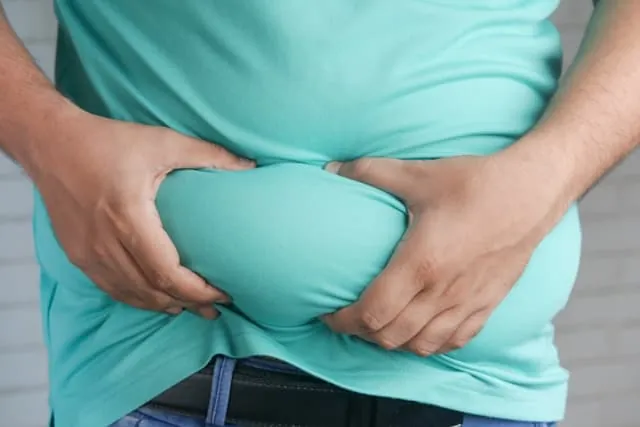
Obesity is a complex disorder involving an excessive amount of body fat. Obesity isn't just a cosmetic concern. It increases your risk of diseases and health problems, such as heart disease, diabetes and high blood pressure.
Being extremely obese means you are especially likely to have health problems related to your weight.
The good news is that even modest weight loss can improve or prevent the health problems associated with obesity. Dietary changes, increased physical activity and behavior changes can help you lose weight. Prescription medications and weight-loss surgery are additional options for treating obesity.
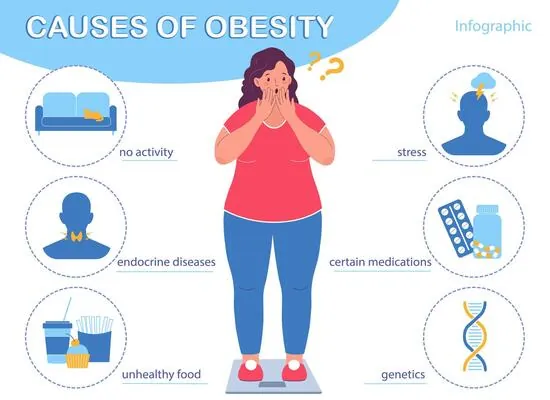
Risk factors of obesity
Obesity is rarely due to a single cause, it usually develops from a mix of genetic, lifestyle, and environmental factors.
- Genetics: Some people naturally store more fat or burn calories less efficiently.
- Lifestyle & inactivity: Sedentary habits and lack of physical activity make it easier to gain weight.
- Diet: High-calorie foods, sugary drinks, and oversized portions contribute significantly.
- Medical conditions & medications: Certain illnesses and treatments (such as antidepressants or steroids) may promote weight gain.
- Social & economic factors: Limited access to healthy food or safe spaces for exercise can increase risk.
- Age, pregnancy & hormonal changes: These can lower metabolism and make it harder to lose weight.
- Sleep: Poor or irregular sleep disrupts appetite hormones, increasing cravings for unhealthy foods.
At Active Health Clinic, our multidisciplinary approach, combining nutrition, physical activity, medical support, and patient education, helps patients manage weight safely and effectively, while improving long-term health.
Obesity Management Program at Active Health Clinic
Assessment
- Comprehensive evaluation: medical history, BMI, waist circumference, comorbidities (diabetes, hypertension, sleep apnea, etc.).
- Nutritional assessment: current diet, eating habits, food intolerances.
- Physical activity assessment: baseline fitness, mobility limitations.
- Psychological screening: mood, stress, emotional eating, readiness to change.
- Laboratory tests (if needed): blood sugar, lipid profile, thyroid function.
Nutrition & Dietary Intervention
- Personalized nutrition plan:
- Calorie deficit adapted to patient profile (usually 500 - 750 kcal/day less).
- Balanced macronutrient distribution (Mediterranean or DASH diet often recommended).
- Increase fruits, vegetables, lean proteins, whole grains.
- Limit processed foods, sugary drinks, and refined carbs.
- Nutritional counselling sessions every 2 to 4 weeks.
- Food sensitivity / genetic testing if relevant for personalized adaptation.
Nutrition and dietary plans are designed by our dietitian and nutritionist Karla Garzo.
Physical Activity & Rehabilitation
- Progressive exercise program, supervised by physiotherapists:
- Aerobic activity: at least 150 min/week moderate intensity (e.g., brisk walking, cycling).
- Resistance training: 2 - 3 sessions/week to preserve muscle mass.
- Flexibility & postural exercises (yoga, stretching) to reduce joint stress.
- Adapted for patients with joint pain, arthritis, or limited mobility.
Behavioral & Psychological Support
- Cognitive-Behavioral Therapy (CBT) or psychotherapy to address emotional eating, motivation, and stress.
- Psychiatric support if depression, anxiety, or medication-related weight gain.
- Group sessions or support groups to encourage adherence.
Monitoring & Long-Term Support
- Regular follow-ups: weight, body composition, waist circumference.
- Rehabilitation check-ins to adjust exercise plans.
- Nutrition re-evaluation to prevent weight regain.
- Relapse prevention strategies: stress management, long-term activity plan, sustainable eating habits.
Who is involved in your care?
Weight management works best when several specialists follow the same plan instead of working in isolation. Depending on your assessment, your care at Active Health Clinic can involve:
- Nutrition: our dietitian and nutritionist Karla Garzo designs and adjusts your plan through our nutrition and food therapy service.
- Exercise: supervised, progressive activity through personal physical training and physiotherapy and rehabilitation, adapted to your fitness level and any joint pain.
- Behavioral support: CBT-based work on emotional eating, motivation, and stress with our psychology team.
- Medical follow-up: monitoring of weight-related health conditions through our family medicine service.
Ready to start? Explore our Obesity Management Program
Patients who prefer a defined framework can join the Obesity and Overweight Management Program, a 16-week multidisciplinary program built on four pillars: medical nutrition therapy, structured exercise, behavioral and psychological intervention, and medical surveillance. The same team described above delivers the program as one coordinated plan, which can help make progress steadier and easier to sustain. You can read the full details on the Obesity and Overweight Management Program page.
Obesity Management Program
Frequently asked questions
What does the obesity management program at Active Health Clinic include?
The program includes a comprehensive assessment (medical history, BMI, waist circumference, comorbidities), a personalized nutrition plan, a progressive exercise program supervised by physiotherapists, behavioral and psychological support, and regular monitoring with relapse prevention strategies.
How is the nutrition plan personalized?
The plan is built around a calorie deficit adapted to your profile (usually 500 - 750 kcal/day less), a balanced macronutrient distribution such as the Mediterranean or DASH diet, and counselling sessions every 2 to 4 weeks, with food sensitivity or genetic testing if relevant.
How much physical activity is recommended?
The program targets at least 150 minutes per week of moderate-intensity aerobic activity, such as brisk walking or cycling, plus 2 - 3 resistance training sessions per week to preserve muscle mass, with flexibility and postural exercises to reduce joint stress.
What causes obesity?
Obesity is rarely due to a single cause. It usually develops from a mix of genetic, lifestyle, and environmental factors, including diet, inactivity, certain medical conditions and medications, social and economic factors, hormonal changes, and poor sleep.
Where is Active Health Clinic located and how can I book an appointment?
The clinic is on Independence Street, Malia Building, 4th Floor, Achrafieh, Beirut. You can book by phone, WhatsApp, or through the contact form on our website. We are open Monday to Friday, 9 am to 7 pm, and Saturday, 9 am to 12 pm.