Physiotherapy and Rehabilitation at Active Health Clinic, Beirut, Lebanon
Evidence-based rehabilitation to reduce pain, restore function, and prevent injuries
Physiotherapy and rehabilitation at Active Health Clinic in Beirut restores movement and function after injury, surgery, or illness through therapeutic exercise, manual treatment, and structured rehabilitation programs. When rehabilitation ends, adapted physical activity provides a supervised bridge back to full, independent activity.
Reduced physical activity following injury, surgery, or musculoskeletal disorders often leads to muscle deconditioning, joint stiffness, altered movement patterns, and biomechanical imbalances, which may aggravate pain and functional limitations over time. Passive treatments such as analgesic medication or thermal modalities can provide temporary symptom relief but do not address the underlying causes of dysfunction.
Physiotherapy and rehabilitation play a central role in the evidence-based management of musculoskeletal and movement-related conditions. Through a combination of therapeutic exercise, manual interventions, and structured rehabilitation protocols, physiotherapy aims to restore mobility, improve strength and neuromuscular control, optimize posture, and facilitate a safe return to daily activities or sports.
At Active Health Clinic, rehabilitation programs are fully individualized according to the patient's diagnosis, functional status, lifestyle, and personal goals. Whether managing spinal disorders, sports-related injuries, post-surgical recovery, or chronic musculoskeletal conditions, our physiotherapists apply scientifically validated treatment strategies to promote recovery, reduce disability, prevent recurrence, and support long-term physical health.
Physiotherapy Services at Active Health Clinic, Beirut, Lebanon
1) Rehabilitation
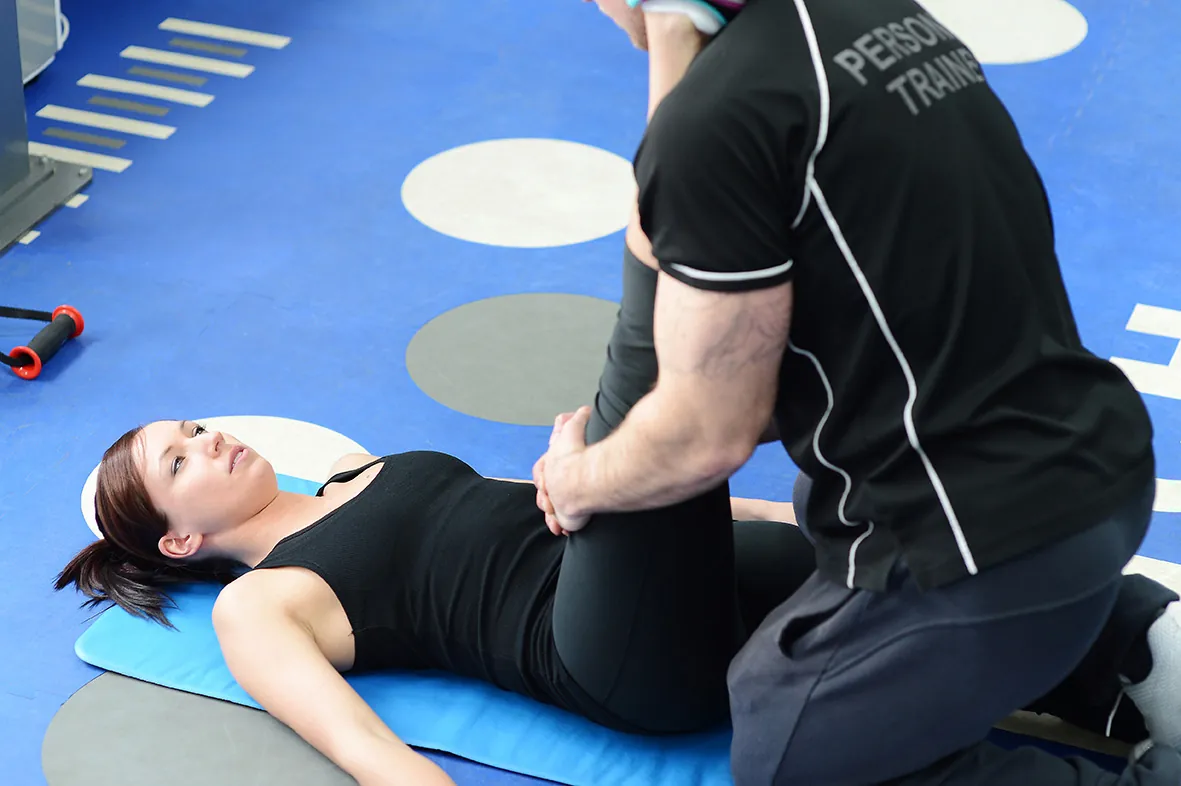
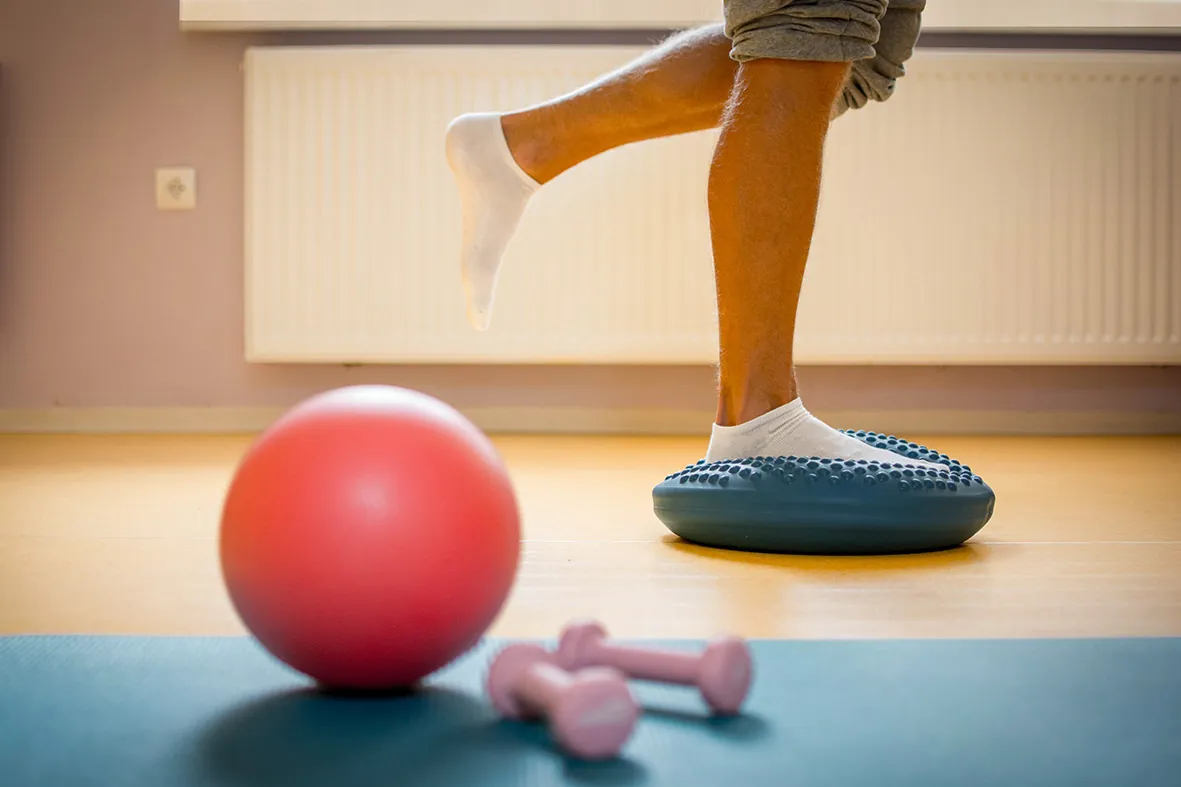
Personalized rehabilitation programs based on functional assessment, combining progressive exercise therapy to restore strength, mobility, coordination, and endurance. Indicated for orthopedic injuries, post-operative recovery, chronic pain, and return-to-activity or sport.
2) Manual Therapy
Hands-on techniques including joint mobilization, soft tissue therapy, and myofascial release to reduce pain, improve joint range of motion, and normalize tissue mobility, facilitating more efficient movement patterns.
3) Dry Needling
A targeted technique used to treat myofascial trigger points and muscle tension. Dry needling helps reduce neuromuscular pain, improve muscle activation, and enhance functional recovery when integrated into a comprehensive rehabilitation plan.
4) Trans Electrical Nerve Stimulation (TENS)
A non-invasive modality used for pain modulation, particularly in acute or chronic pain conditions. TENS supports symptom relief by stimulating sensory nerves and is often combined with active rehabilitation strategies.
5) Pressotherapy
A mechanical lymphatic drainage technique using controlled pneumatic compression to enhance venous and lymphatic circulation. Pressotherapy is beneficial for edema, heavy legs, post-exercise recovery, and circulatory disorders, and may support muscle recovery and reduce sensations of fatigue when combined with rehabilitation and physical activity programs.
Home Visit Physiotherapy & Rehabilitation, Beirut, Lebanon
For patients who are unable to visit the clinic following surgery, acute injury, or mobility limitations, Active Health Clinic offers home visit physiotherapy consultations in Beirut and the surrounding areas. Our physiotherapists conduct a full clinical assessment at your home and design a personalized rehabilitation program adapted to your environment and recovery needs.
Home visits cover post-surgical rehabilitation, acute musculoskeletal injuries, neurological rehabilitation, and mobility-focused exercise programs. This service ensures continuity of care, clinical-grade assessment, and professional rehabilitation support, delivered directly to you.
Frequently asked questions
What physiotherapy services are available at Active Health Clinic?
Our physiotherapy service includes personalized rehabilitation programs, manual therapy, dry needling, transcutaneous electrical nerve stimulation (TENS), and pressotherapy. These techniques are combined into an individualized treatment plan based on your diagnosis, functional status, and goals.
Do you offer home visit physiotherapy in Beirut?
Yes. For patients unable to visit the clinic following surgery, acute injury, or mobility limitations, our physiotherapists conduct home visit consultations in Beirut and the surrounding areas, including a full clinical assessment and a personalized rehabilitation program adapted to your home environment.
What conditions can physiotherapy and rehabilitation help with?
Physiotherapy at Active Health Clinic supports the management of spinal disorders, sports-related injuries, post-surgical recovery, and chronic musculoskeletal conditions. Programs aim to restore mobility, improve strength and neuromuscular control, optimize posture, and facilitate a safe return to daily activities or sports.
Where is Active Health Clinic located and how can I book a physiotherapy session?
The clinic is located on Independence Street, Malia Building, 4th Floor, Achrafieh, Beirut. You can book by phone, WhatsApp, or through the contact form on our website. We are open Monday to Friday, 9 am to 7 pm, and Saturday, 9 am to 12 pm.